
Signs its time to upgrade your bathroom
Your bathroom's plumbing is one of the most critical systems in your home. And, there are times when you notice signals that it's nearing the end of its life. Ignoring these signs can lead to costly and messy problems down the line, from minor leaks to major water damage.
Here are the key signs that it’s time to consider upgrading your bathroom plumbing:
1. Frequent Clogs and Slow Drains
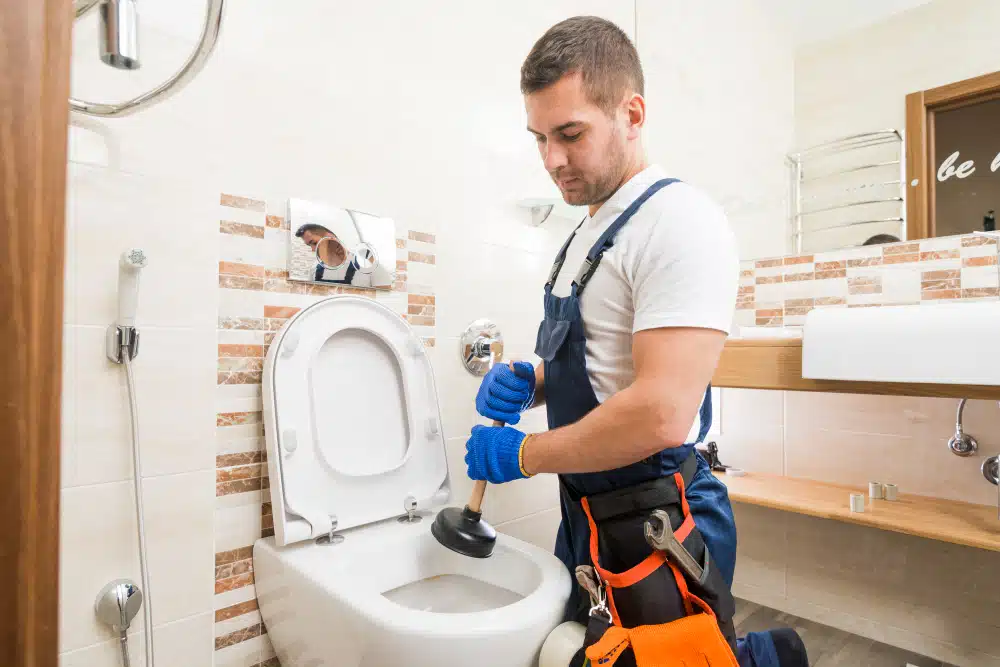
Are you constantly battling a slow-draining sink or a clogged toilet? While a single clog can often be resolved with a plunger or a simple drain cleaner, frequent blockages can be a sign of a larger issue. This could indicate a buildup of hair, soap scum, or mineral deposits deep within your pipes. Over time, these blockages become more resistant to standard remedies and can point to a narrowing of your pipes, signalling that they’re ready for an upgrade.
2. Low Water Pressure
If you’re finding that your shower feels more like a gentle drizzle than a refreshing cascade, low water pressure could be the culprit. While this can sometimes be caused by a simple issue like a clogged showerhead, it’s often a sign of a more serious problem. Old, corroded pipes can restrict water flow, leading to a noticeable drop in pressure. This is particularly common in older homes which are prone to rust and mineral buildup.
3. Discoloured or Unpleasant-Smelling Water
When you turn on the tap, does the water have a brownish or rusty tint? Does it have a strange, metallic smell? This is a major red flag. Discoloured water often indicates that your pipes are corroding from the inside out. As rust and other mineral deposits build up, they leach into the water, affecting its quality and taste. This isn’t just an aesthetic problem; it can also be a health concern and a clear indicator that your pipes are in a state of advanced decay.
4. Visible Leaks or Water Damage
This is one of the most obvious and urgent signs that you need a plumbing upgrade. A small drip under the sink might seem insignificant, but it can quickly lead to extensive water damage, mold growth, and a significant increase in your water bill. If you notice damp spots on your ceiling or walls, peeling paint, or a musty smell, it’s highly likely you have a hidden leak. Addressing these issues immediately with a professional is crucial to prevent further damage to your home’s structure.
5. The Age of Your Home and Plumbing System
The lifespan of plumbing materials varies. If your home was built before the 1970s, you likely have outdated plumbing materials. These means that your bathroom is known to corrode, become brittle, or fail over time. A proactive approach is often the most cost-effective solution. If you know your plumbing is reaching the end of its typical lifespan (generally 20-50 years depending on the material), it’s wise to plan for an upgrade before a catastrophic failure occurs.
What to Do Next
If you’ve noticed any of these signs, don’t wait for a plumbing emergency to happen. The cost of an emergency repair, including the potential for water damage and mould remediation, can be far greater than the cost of a planned upgrade.
Your first step should be to contact a professional plumber. They can perform a thorough inspection of your plumbing system, diagnose the underlying issues, and provide you with a detailed plan for upgrading your pipes. While a full plumbing replacement may seem daunting, it’s an investment in your home’s safety, value, and long-term functionality.
